
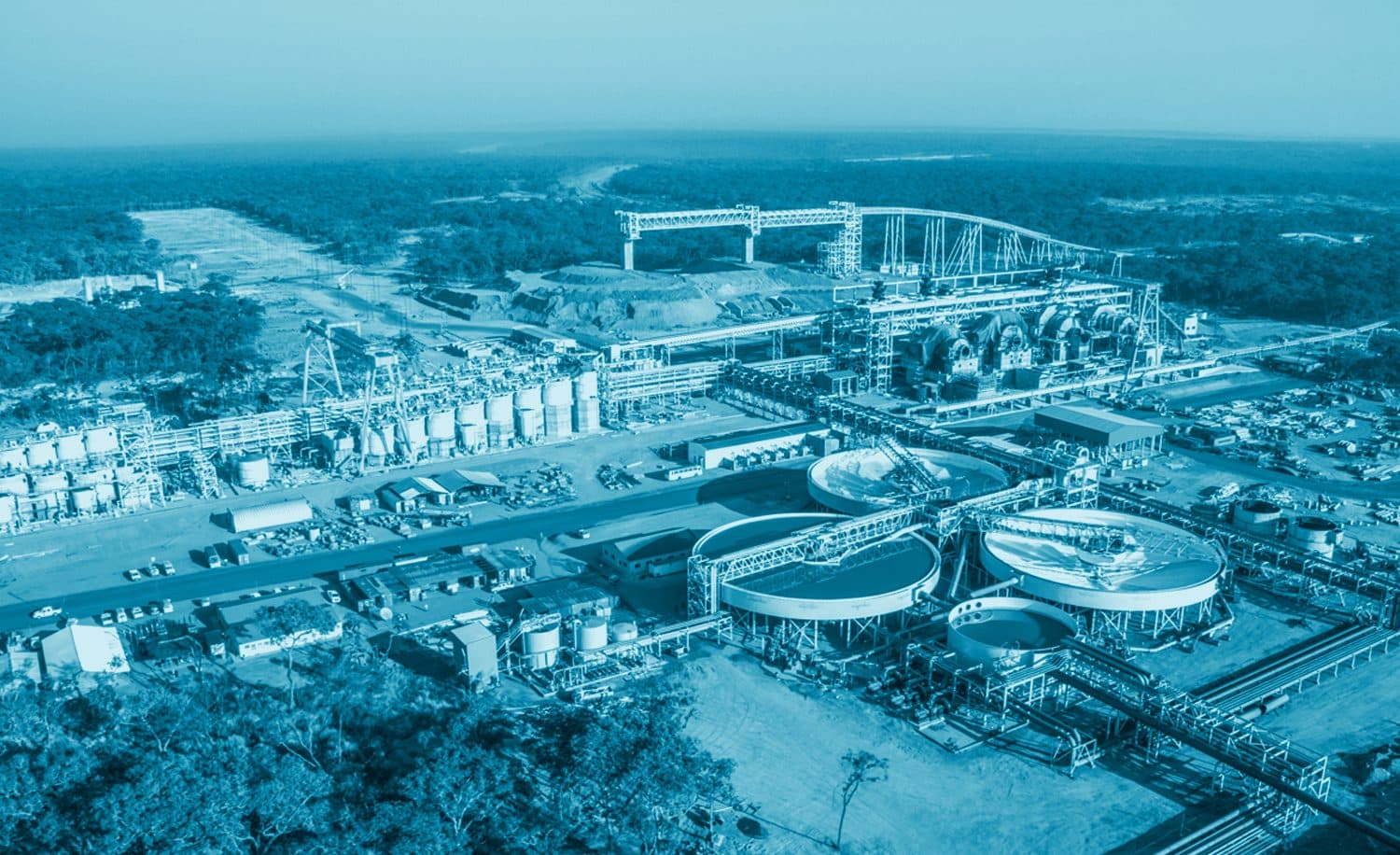
Case study · Mining
First Quantum Minerals Zambia: from a first cohort of 15 to a group-wide training program
FQML started with 15 maintenance planners and engineers in one online course. Three years later, more than 150 of its people have been trained across four courses, and First Quantum has moved to a group-wide training arrangement covering its operations.
150+
personnel trained
4.7/5
participant rating
2023+
ongoing enrolments
The client
About First Quantum Minerals Zambia
- Industry
- Mining, copper
- Location
- Zambia (Kansanshi and Trident operations)
- Engagement
- Online training with live facilitated sessions
- Timeframe
- 2023 – ongoing
- Scope
- 150+ trained across multiple courses
The problem
The challenge
First Quantum Minerals Zambia operates some of the largest copper mining operations in Africa. There was no shortage of technical expertise on site. The problem was consistency: translating that expertise into a standard approach to preventive maintenance and maintenance planning & scheduling across departments and sites.
A large, geographically spread workforce made traditional classroom training impractical and expensive to deliver at scale. And FQML was clear-eyed about the risk with online training: done badly, it becomes a tick-box exercise where people collect certificates without absorbing anything. They wanted genuine learning outcomes, not completion rates.
The solution
What we did
FQML partnered with Reliability Academy in 2023, starting with an initial batch of 15 maintenance planners and engineers. The program is built on three courses, PS100 (Implementing Maintenance Planning & Scheduling), PS200 (Maintenance Planning & Scheduling) and PM100 (Developing & Improving Preventive Maintenance Programs), delivered to cohorts across the Kansanshi and Trident operations.
Each cohort follows the same model. Participants work through the self-paced video lessons around their shift patterns, and each cohort gets four to six live sessions facilitated by Reliability Academy: recapping key concepts, running Q&A, and, most importantly, working through how the principles apply to FQML’s own plants, equipment and day-to-day maintenance decisions.
To address FQML’s concern about superficial certificate collection, we made two changes across the program: expanded question banks so participants can’t pass quizzes by memorising repeated attempts, and AI-powered personalised feedback on assignments, giving each participant specific guidance on their own responses.
The program kept growing on the back of results. FQML has since added a fourth course, Maintenance for Non-Maintenance Professionals (MNMP), and in April 2026 First Quantum moved to a group-wide training arrangement covering its operations in Zambia and Panama.
The outcome
The results
FQML doesn’t share operational metrics publicly. The numbers below are the ones we can stand behind: enrolments, completions and participant ratings.
- PS200: 98% of 58 survey respondents rated the overall learning experience good or excellent, averaging 4.72 out of 5.
- PM100: 100% of 29 survey respondents rated the overall learning experience good or excellent, averaging 4.45 out of 5.
- Growth from 15 participants in the first batch to 150+ trained across four courses.
- A move in April 2026 to a group-wide training arrangement covering First Quantum’s Zambian and Panamanian operations.
In large organisations, training programs expand when they work. This one has expanded every year since 2023.
Client feedback
What participants say
It is one of its kind that gives formal training for planners across the globe. I would recommend […] I have worked in this industry for many years without ever receiving training like this.
The most enjoyable part of this course was the practical and engaging assignments that forced me to actually review a significant portion of my work as a maintenance planner.
What’s next
Build the same capability in your team
FQML’s program is built on PS100 Implementing Maintenance Planning & Scheduling, PS200 Maintenance Planning & Scheduling and PM100 Developing & Improving Preventive Maintenance Programs. All run the same way for any team: self-paced online learning, live support, and volume pricing that scales with your rollout.
See what this could look like for your team
A 30-minute call with Erik: your operation, your gaps, and whether this is the right fit. No pitch deck.