How we work
A series of focused sprints, not a multi-year program
You have probably been told that reliability is a marathon, not a sprint: years of effort, millions in investment, an army of specialists. We understand why people say it. But that marathon mindset creates two serious problems.
Most of us can’t run a marathon
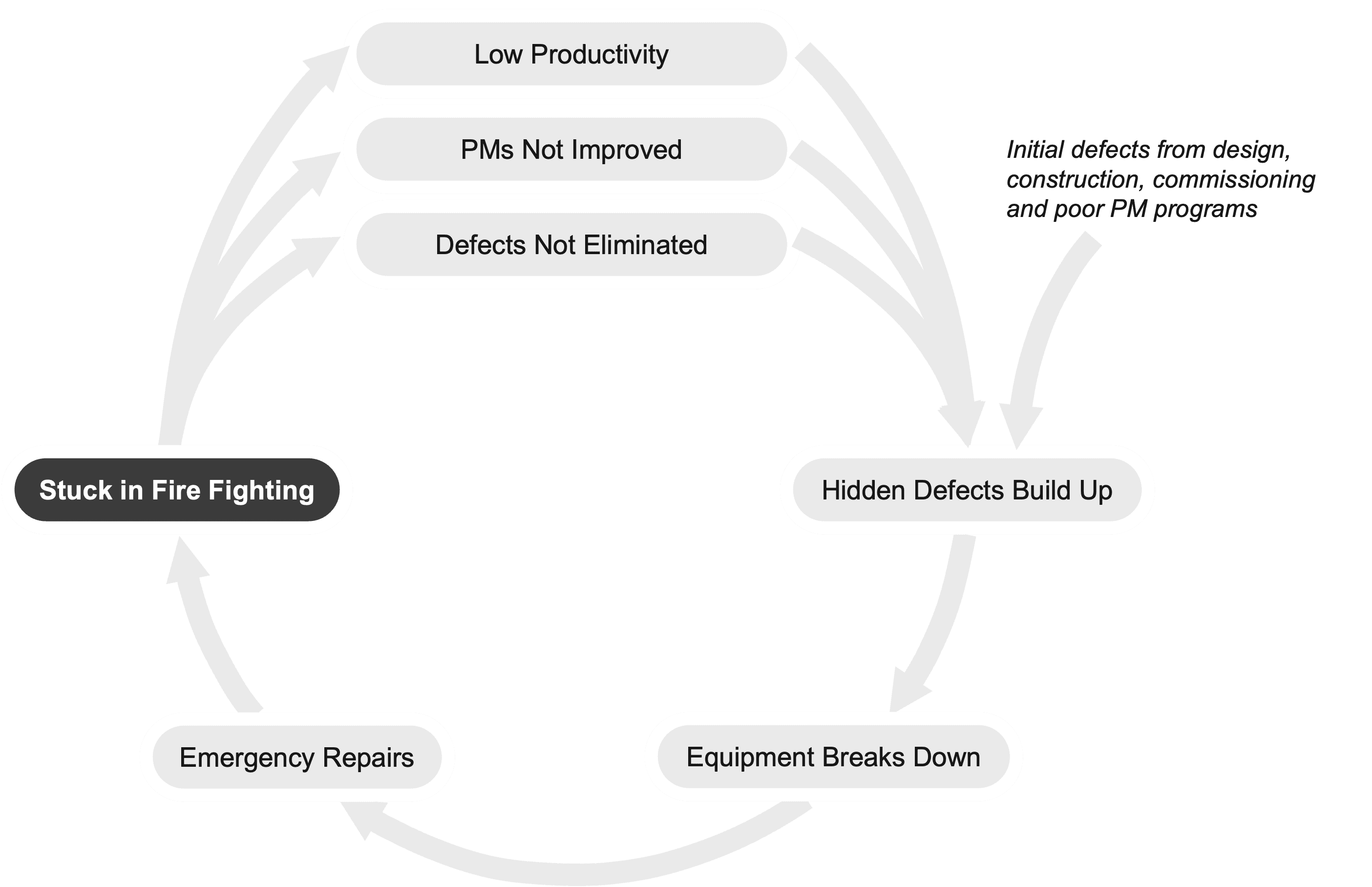
You could train yourself to finish one, with enormous effort. Now try getting your whole team to run one. That is what happens to most multi-year programs: they lose steam somewhere in year two, people drift back to old habits, and the organisation concludes that reliability doesn’t work here.
Leadership won’t fund a marathon
In a reactive plant, maintenance is seen as a cost rather than a profit centre. Walk into that boardroom with a multi-year plan, significant money up front and payback far in the future, and you won’t get the yes you need. Most senior leaders are judged on quarterly results.
And it gets worse. When organisations hit the marathon’s brick wall, they start looking for shortcuts: a shiny new CMMS, advanced sensors, RCM across the whole plant. Those tools have their place, later. But none of them will fix a broken working environment. Silver bullets don’t exist.
The IT industry solved this exact problem years ago. They stopped running massive, multi-year software projects that failed more often than they succeeded, and moved to agile: a series of short, focused sprints, each delivering something of value.
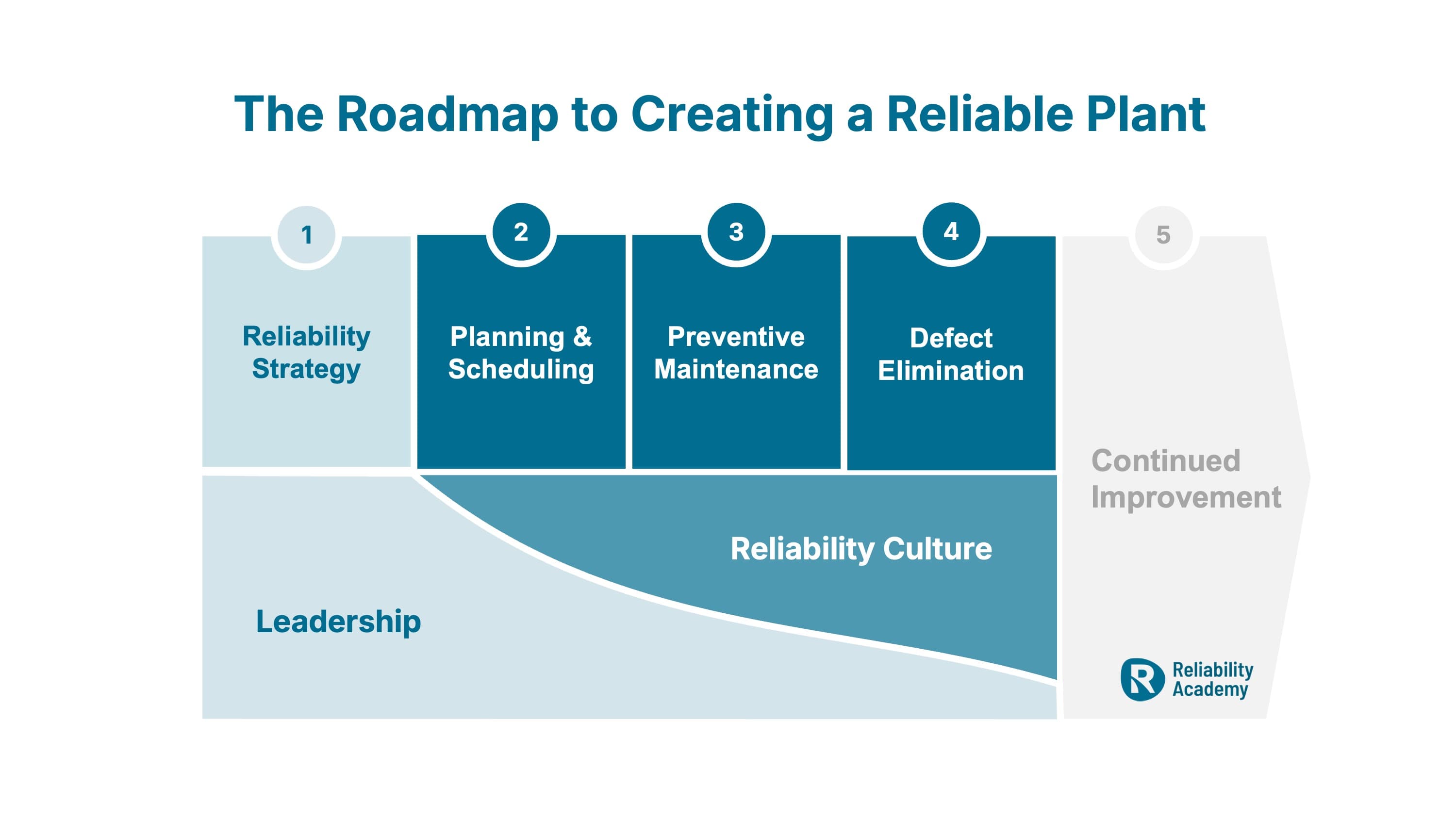
We apply the same thinking to reliability improvement. Instead of one giant program, you run a series of Reliability Sprints™: shorter, focused improvement efforts, each targeting one element of the framework, each delivering measurable value in months rather than years.