
Case study · Minerals processing
Tronox Kwinana: an independent assessment and a roadmap the site is now acting on
When the leadership team at Tronox’s Kwinana pigment plant in Western Australia wanted to know what was holding the site back from becoming more reliable and less reactive, they brought in Reliability Academy for an independent maintenance site assessment. The Site Director’s verdict: an accurate read of the site, a prioritised improvement roadmap, and a team now working through it.
4 days
on site
3-phase
independent assessment
1
prioritised improvement roadmap
The client
About Tronox Kwinana
- Industry
- Mining and minerals processing (titanium dioxide)
- Location
- Kwinana, Western Australia
- Engagement
- Maintenance site assessment
- Timeframe
- October 2024, with an online close-out presentation after the report was issued and reviewed
- Scope
- Planning, scheduling and execution of maintenance
The problem
The challenge
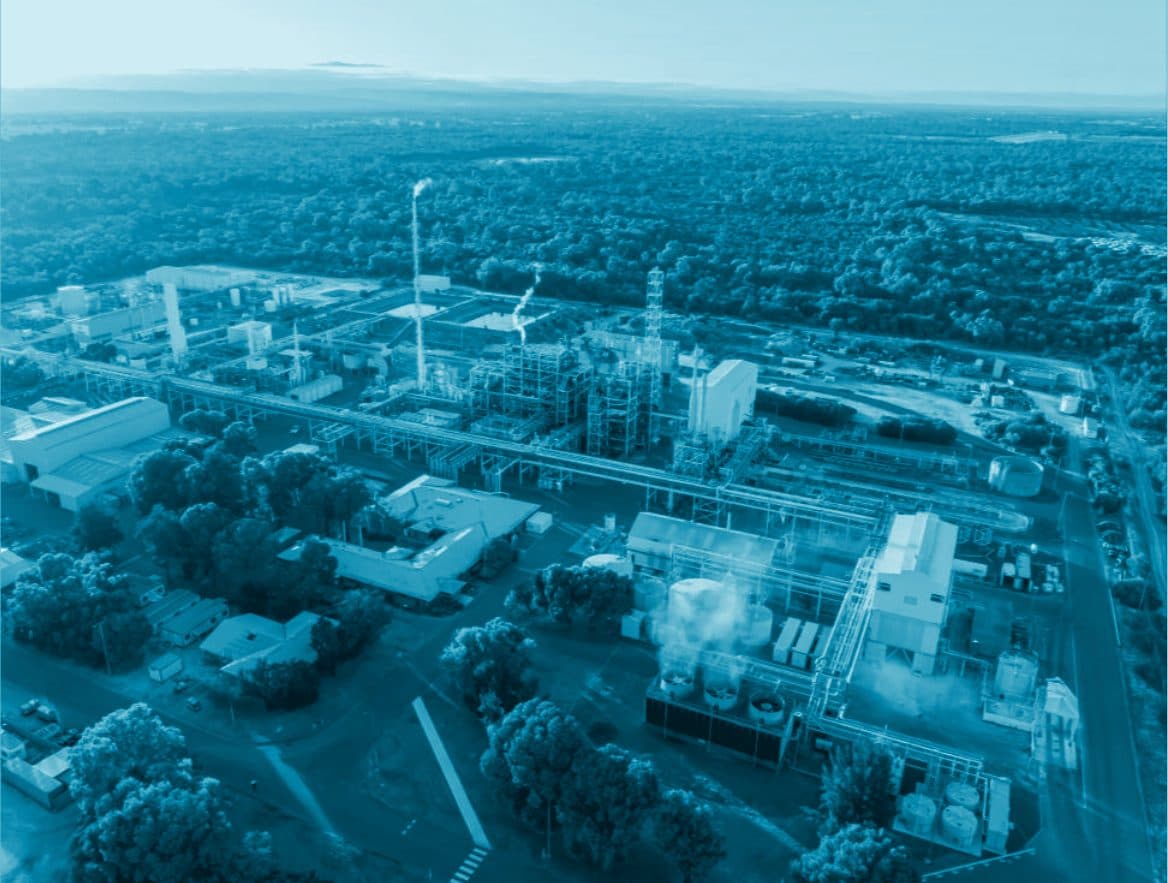
Tronox is a global producer of titanium dioxide, and its Kwinana refinery is a complex process plant that depends on effective maintenance to run safely and efficiently.
Site leadership had concerns about maintenance performance and the level of reactive work. The question they wanted answered was simple to ask and hard to answer from inside: what is actually holding this plant back from becoming more reliable and less reactive?
Rather than keep guessing, they asked for an independent, expert view, focused on how maintenance planning, scheduling and execution were really performing day to day.
The solution
What we did
In October 2024, Reliability Academy conducted a comprehensive maintenance site assessment at the Kwinana pigment plant. The assessment ran in three phases:
Before the site visit, Erik reviewed a detailed pre-read package of maintenance documentation and operational data. That analysis surfaced the critical questions to test on site.
Then Erik spent four days at the plant, sitting in on routine maintenance and operations meetings, interviewing planners, supervisors and frontline staff, and observing how planning, scheduling and execution actually worked in practice, not just how the procedures said they should.
After the visit, Erik documented the observations and recommendations in a findings report with a prioritised roadmap of improvement activities. Once the report had been issued and reviewed by the client’s team, an online close-out presentation was organised to take the Tronox team through the assessment summary.
The outcome
The results
The assessment data and report are covered by a non-disclosure agreement, so we don’t publish the findings, and won’t. What we can share is what the client says about it.
Tronox’s Site Director credits the assessment with an accurate picture of the site and a prioritised roadmap that told his team exactly where to focus for improved reliability. In his words, the site has since taken much of what was recommended on board and is working through the process, treating maintenance improvement as a long-term program spanning routine work, asset integrity, preventive maintenance and defect elimination.
Client feedback
In the client’s words
Erik completed a site assessment of our refinery and took a pragmatic approach to observing, interviewing, and attending our routine maintenance processes and people. His key observations were very accurate given the time he had spent on site, and was able to articulate and prioritise a roadmap of improvement activities for us to work on. That roadmap was articulated and the recommendations enabled us to prioritise where we should focus on for improved reliability. I am proud to say that we have taken much of what Erik has recommended on board, and are currently working through the process. Maintenance improvement is not a short term task, but a holistic programme around Routine Work, Asset Integrity, Preventative Maintenance, and Defect Elimination which we were very happy to partner with Erik for his expert experience and observations. I would recommend Erik’s work to any prospective company looking at improving their maintenance and hence their bottom line.

See what this could look like for your team
A 30-minute call with Erik: your operation, your gaps, and whether this is the right fit. No pitch deck.