
First Quantum Minerals Zambia (FQML)
Mining (Copper — one of the world’s largest copper producers)
Zambia, Africa
PM100: Developing and Improving Preventive Maintenance Programs; PS200: Maintenance Planning & Scheduling — Ongoing multi-cohort programme
95+
Total Trainees
3
Courses Delivered
100%
PM100 rated Good or Excellent
98%
PS200 rated Good or Excellent
The Challenge: Building a Consistent Maintenance Capability Across a Large, Distributed Workforce
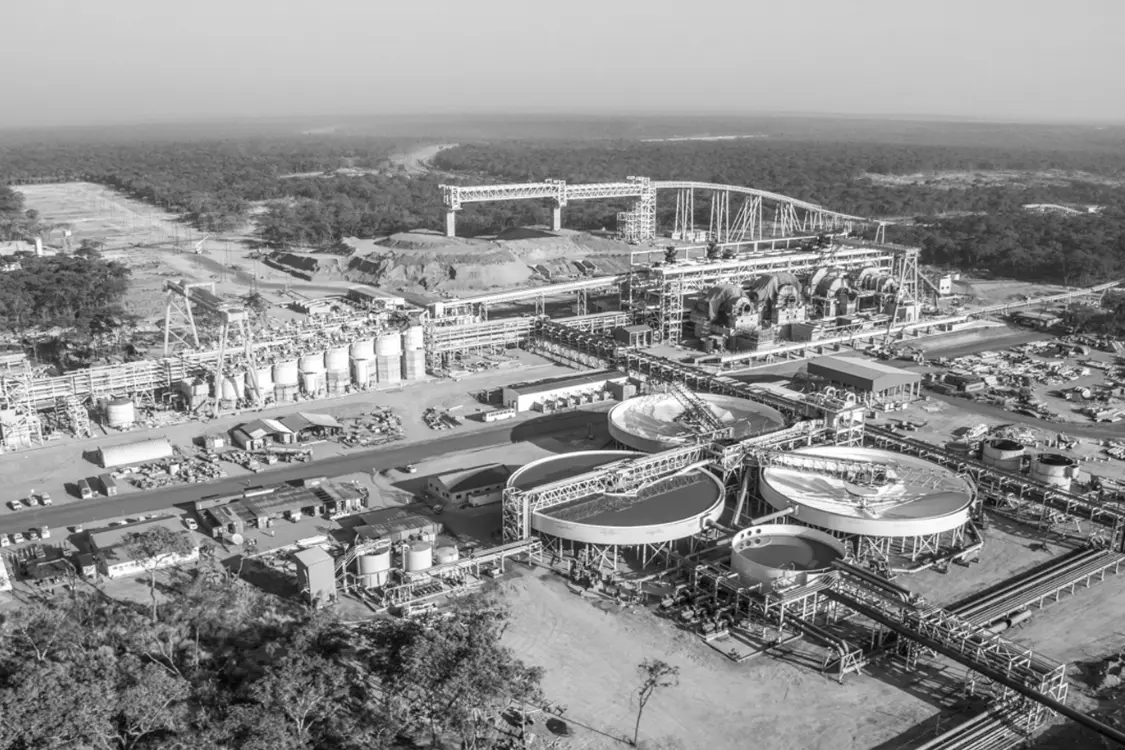
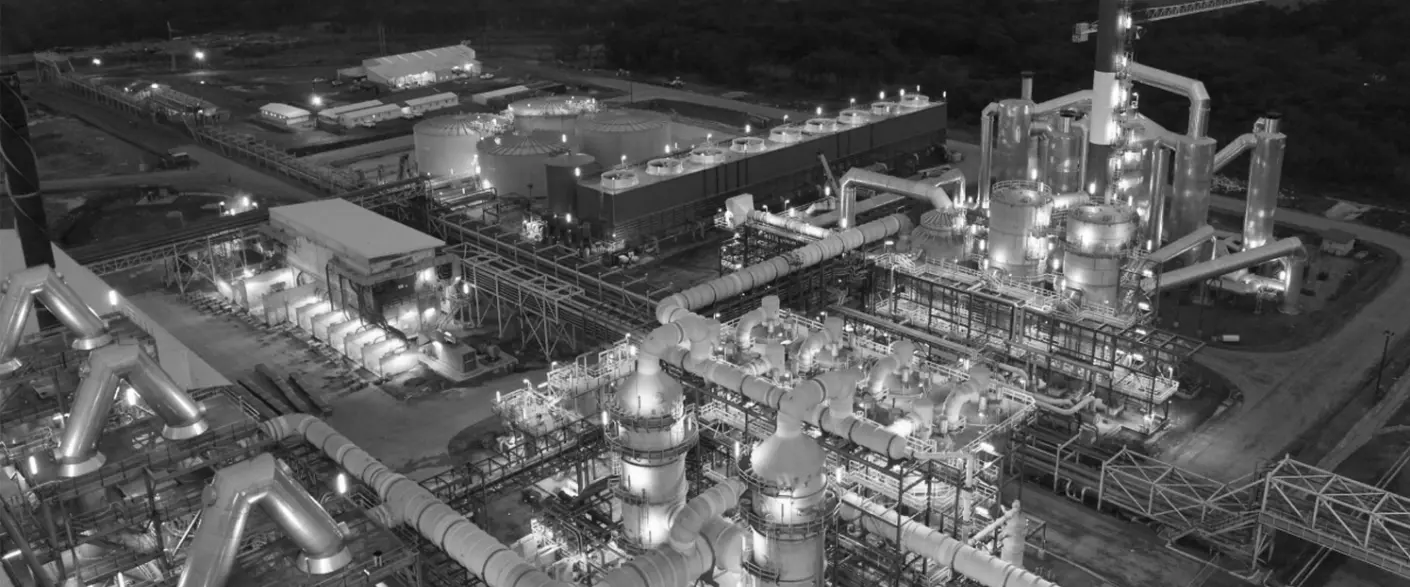
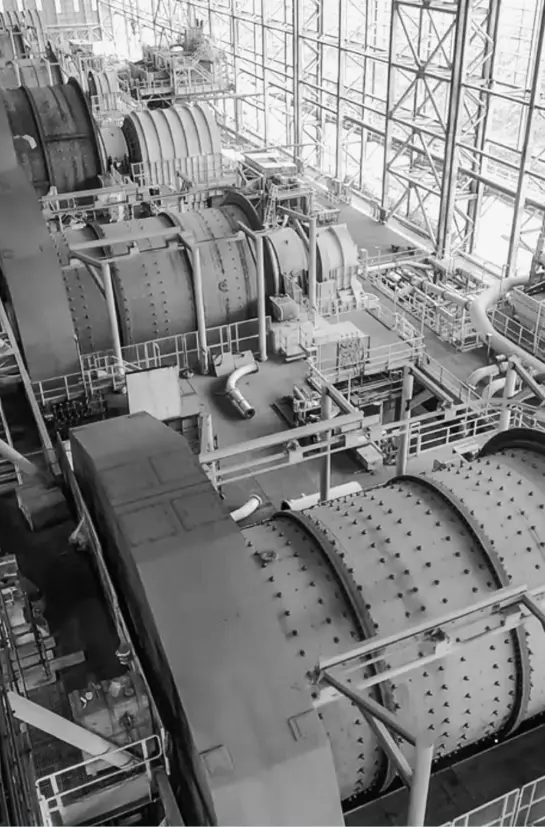
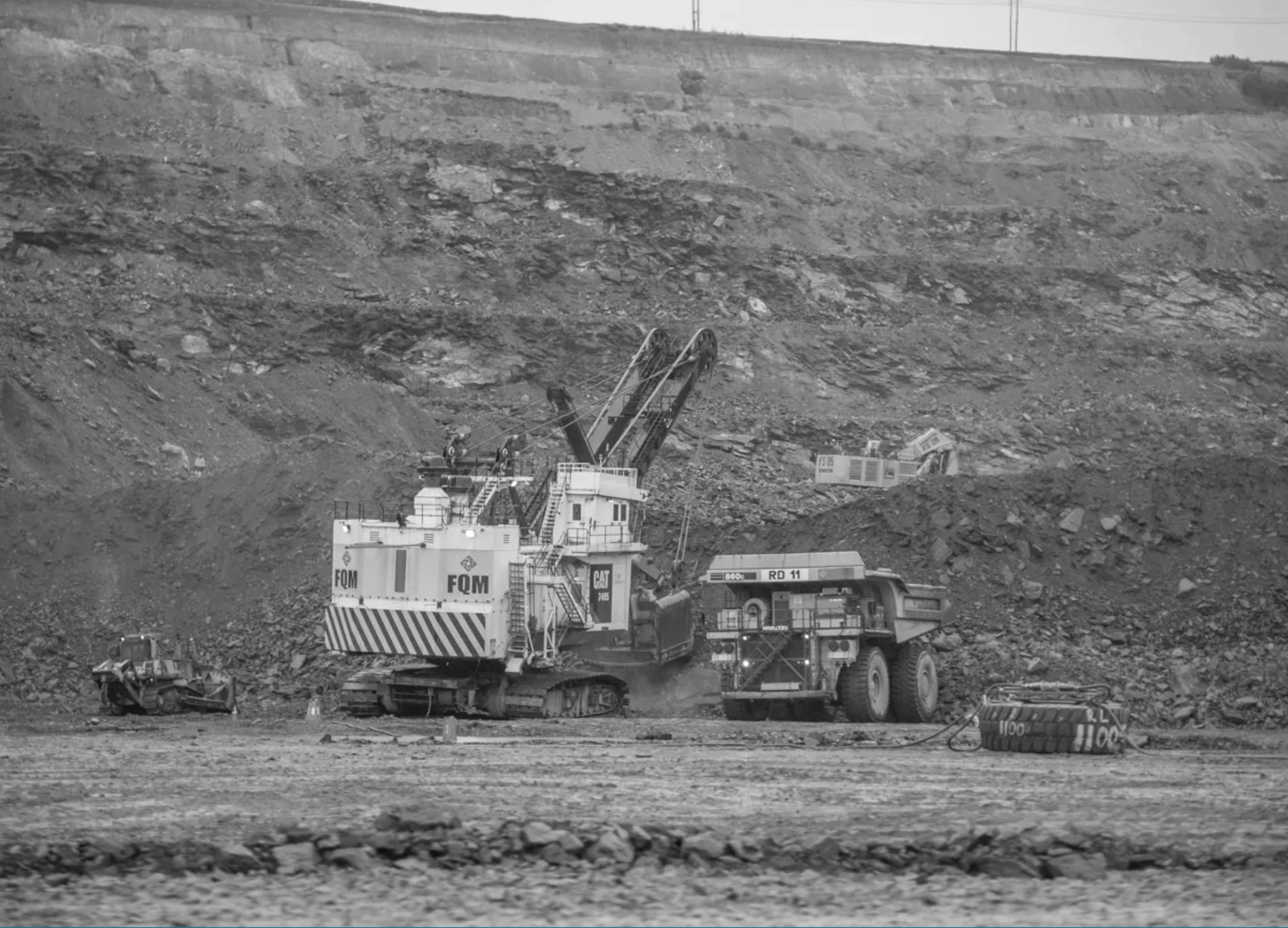
First Quantum Minerals Zambia is one of the largest copper producers in Africa, operating complex process plants that demand highly skilled maintenance teams. While FQML had no shortage of technical expertise, the organisation faced a common challenge in large mining operations: translating that expertise into a consistent, standardised approach to Preventive Maintenance and Maintenance Planning & Scheduling across all departments and sites.
Key challenges included:
- Inconsistent maintenance planning and scheduling practices across teams, leading to inefficiencies, excessive reactive work, and missed opportunities to extend equipment life.
- A large and geographically spread workforce that made traditional classroom training impractical and expensive to deliver at scale.
- The need for training that was genuinely applied — ensuring personnel could connect learning directly to their specific plant environment and day-to-day roles.
- Concern that online training programmes risk becoming a ‘tick-box’ exercise — with trainees collecting certificates without truly absorbing and applying the content.
FQML needed a training partner who could deliver world-class maintenance education in a flexible, scalable format while ensuring genuine learning outcomes, not just completion rates.
The Solution: A Hybrid Learning Model Built for Mining Operations
Reliability Academy partnered with FQML Zambia to deliver a structured, multi-cohort training programme across PM100 and PS200. The programme combined the flexibility of online learning with the depth and contextualisation of live instruction.
1. Hybrid Learning: Online Modules Combined with Live Sessions
Each trainee cohort followed a structured hybrid approach. Pre-recorded video lessons allowed participants to study at their own pace and work around shift patterns common in mining operations.
Each cohort also participated in 4 to 6 live sessions facilitated by Reliability Academy, serving three purposes:
- Summaries and reinforcement — recapping key concepts from each module to deepen retention.
- Live Q&A — allowing participants to raise questions and explore topics in greater depth.
- Plant-specific application — discussing how course principles applied directly to FQML’s own processes, equipment, and operational challenges — bridging the gap between theory and practice in a way that pure self-paced learning cannot.
"The course was highly comprehensive and good for companies seeking to reach world standards."
— FQML PS200 participant
2. Significant Growth: From 15 Trainees to 95+
The programme began modestly, with an initial cohort of 15 to 25 participants — allowing both FQML and Reliability Academy to refine the delivery model and validate its effectiveness within the specific context of Zambian mining operations.
Positive feedback and measurable improvements in how teams approached maintenance planning led FQML to expand the programme significantly. Enrolment has grown to more than 95 trainees across the PM100 and PS200 courses, reflecting strong internal confidence in the training’s value.
"Everyone needs continuous improvement and this information is not always available to our industries, especially in mining, until an opportunity like this comes."
— FQML PM100 participant
3. Ensuring Genuine Learning: Expanded Question Banks and AI-Powered Feedback
One of the most important commitments Reliability Academy made throughout the FQML engagement was to ensure that training produced real capability improvements — not just completion certificates.
To achieve this, Reliability Academy introduced two significant enhancements across the programme:
- Expanded question banks — Quiz pools were enlarged and diversified to ensure that participants engaged deeply with course content rather than memorising answers from repeated attempts. Questions were designed to test genuine understanding and application, not recall alone.
- AI-powered personalised feedback — Assignments were enhanced with AI-generated feedback tailored to each individual’s responses — giving participants specific, actionable guidance on how to improve their thinking and apply concepts more effectively in their roles.
These improvements directly addressed FQML’s concern about superficial certificate collection. Participants who worked through the enhanced assessments consistently demonstrated stronger application of planning and scheduling principles in their workplace.
"The quizzes reinforced key concepts, helped me check my understanding and made it easier to retain and apply the course content in practical maintenance planning and scheduling."
— FQML PS200 participant
Results: Strong Ratings and Meaningful On-the-Job Impact
Feedback from FQML trainees across both courses consistently reflects a high-quality learning experience and meaningful practical value.
| Rating Category | PM100 (29 responses) | PS200 (58 responses) |
|---|---|---|
| Overall Learning Experience | 100% Good or Excellent (avg 4.45/5) | 98% Good or Excellent (avg 4.72/5) |
| Lessons | 93% Good or Excellent (avg 4.28/5) | 98% Good or Excellent (avg 4.74/5) |
| Course Videos | 97% Good or Excellent (avg 4.48/5) | 97% Good or Excellent (avg 4.69/5) |
| Resources (Slides & Templates) | 100% Good or Excellent (avg 4.62/5) | 98% Good or Excellent (avg 4.57/5) |

“The most enjoyable part was the practical assignments that forced me to review a significant portion of my work as a maintenance planner.”
— Jermyn Sendoi, FQML PS200 participant
“Being able to relate the contents of the course to my workplace practices was what I enjoyed the most.”
— Mary Mumba, FQML PS200 participant
“I enjoyed learning practical strategies for improving PM compliance and how to make maintenance more proactive and data-driven.”
— Michael Mumamba, FQML PM100 participant
“The course directly referred to what is currently happening in the industry and how to improve the reliability of our machines.”
— Levy Mwale, FQML PM100 participant
“It is one of its kind that gives formal training for planners across the globe. I have worked in this industry for many years without ever receiving training like this.”
— Kawiza Mwanangombe, FQML PS200 participant
Conclusion: A Scalable Model for Maintenance Excellence in Mining
The FQML Zambia engagement demonstrates how Reliability Academy’s hybrid learning model can deliver genuine, lasting capability improvements in large, complex mining operations — at scale.
By combining self-paced online learning with structured live sessions, and implementing meaningful assessment improvements, Reliability Academy has helped FQML build a shared language and culture around maintenance excellence across their Zambian operations.
The programme’s growth — from an initial 15–25 participants to more than 95 trained personnel — is perhaps the clearest indicator of its success. In large organisations, training programmes expand when they work.
KEY TAKEAWAY

When maintenance leaders need to build consistent capability across a large workforce — without disrupting operations — Reliability Academy’s hybrid model delivers the flexibility of online learning with the rigour and contextualisation of live instruction.
The result is not just trained personnel, but maintenance professionals who can apply world-class principles in their own plant environment.
Ready to build maintenance excellence
in your organisation?
Book a free strategy call to explore how Reliability Academy can improve your
plant’s reliability, reduce maintenance costs, and develop your team.
You can also email us at [email protected]